Source Pure Electric Refrigerated Truck for Food, Medical, and Cold Chain
Compare 30 pure electric refrigerated truck listings from Chinese manufacturers. Buyers can evaluate specifications like horsepower, box dimensions, and refrigeration units to find suitable models for transporting freezer food and other temperature-sensitive goods; compare the available evidence and request quotations based on your requirements.
Key considerations
Products List


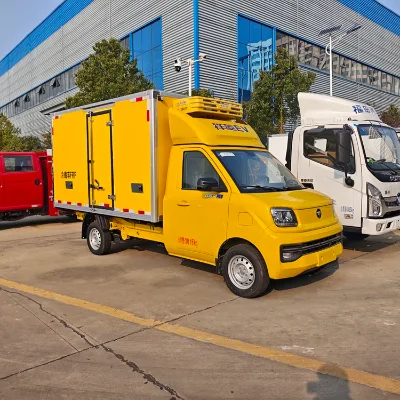


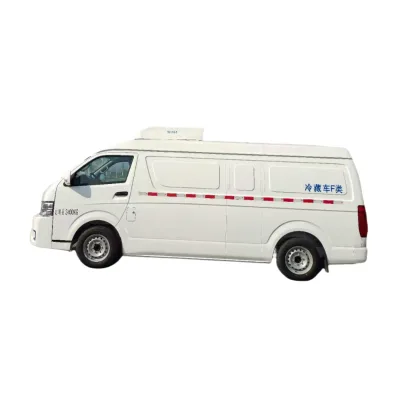
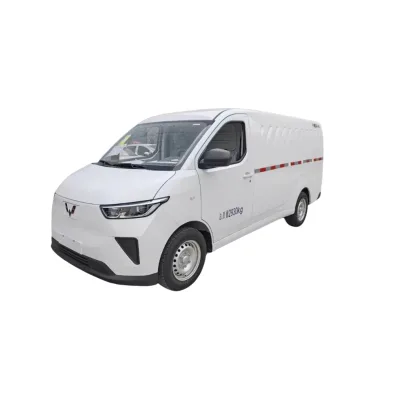
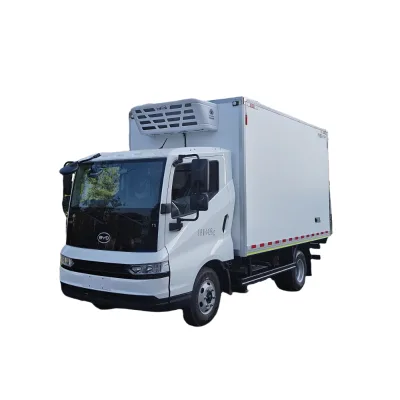


Comprehensive Sourcing Guide
Pure Electric Refrigerated Truck Sourcing Guide
Sourcing pure electric refrigerated trucks requires a strategic approach that balances zero-emission operational benefits with the specific technical demands of cold chain logistics. Buyers must navigate a market where vehicle configurations vary significantly based on chassis brand, battery capacity, and refrigeration unit selection. The core challenge lies in ensuring that the electric powertrain can sustain the high energy demands of cooling systems without compromising range or payload capacity. This guide provides a structured framework for evaluating listings, verifying technical specifications, and managing commercial risks associated with these specialized commercial vehicles.
Procurement teams should prioritize suppliers who demonstrate transparency in their manufacturing processes and after-sales support structures. Since these vehicles often serve critical food transport applications, reliability is paramount. Buyers need to assess not just the initial purchase price but the total cost of ownership, including maintenance, energy consumption, and potential downtime. Understanding the nuances of different drive types, wheelbases, and box dimensions is essential for matching the vehicle to specific route requirements and load profiles. This guide outlines the key verification steps to ensure a successful procurement outcome.
Product Scope and Observed Listing Signals
The current market for pure electric refrigerated trucks presents a diverse range of options, with observed listing prices spanning from $2,000 to $60,000 USD. This wide variance often reflects differences in chassis quality, battery technology, and refrigeration unit branding rather than just size. Minimum order quantities are typically low, ranging from one to ten units, which facilitates flexible procurement for small to medium-sized logistics operators. Buyers should carefully examine whether the listed price includes the refrigeration unit or if it is an optional add-on, as this significantly impacts the final investment.
Product attributes indicate a strong emphasis on customization and OEM services, allowing buyers to tailor vehicles to specific operational needs. Common features include high-strength materials, lightweight construction, and easy installation processes, which contribute to improved fuel efficiency and payload capacity. The observed product models, such as the CLW2FD2F23E and BJ5044XLCEV3, suggest a focus on medium-duty applications with varying box dimensions. Buyers must verify if the listed specifications, such as the 305016301670mm box size, align with their specific cargo requirements and local road regulations.
Technical Specifications to Verify
Technical verification begins with the chassis and powertrain configuration, which are critical for performance in cold chain logistics. Buyers should confirm the drive type, such as 4x2 or 6x4, and ensure it matches the intended load capacity and terrain. The wheelbase, often around 3300mm for medium-duty models, directly affects maneuverability and cargo space. Additionally, the horsepower range, typically between 150hp and 350hp for these vehicles, must be sufficient to handle the additional weight of the refrigeration unit and insulated box. Verifying the transmission type, whether automatic or manual, is also essential for driver comfort and operational efficiency.
The refrigeration system itself requires close scrutiny, as it is the core component of the vehicle’s function. Buyers should verify the brand and model of the refrigeration unit, with international top brands often offering better reliability and efficiency. The temperature range capability, such as -15°C, must be confirmed to ensure it meets the specific storage requirements for the goods being transported. Furthermore, the box dimensions and insulation quality are crucial for maintaining temperature stability. Buyers should request detailed technical drawings and performance data to validate these specifications before making a purchase decision.
Compliance and Safety Documentation
Compliance with local and international standards is non-negotiable for pure electric refrigerated trucks, especially when operating across borders. Buyers must verify that the vehicle holds necessary certifications, such as ISO, EPA, or EEC, depending on the target market. These certifications ensure that the vehicle meets safety, emissions, and environmental regulations. It is also important to confirm the emission standard, even for electric vehicles, as some regions have specific requirements for commercial vehicle registration. Buyers should request copies of all relevant certification documents to avoid legal issues during importation and operation.
Safety documentation extends beyond regulatory compliance to include operational safety features. Buyers should verify the presence of advanced driver assistance systems, braking performance, and tire specifications, such as 175/75R14LT. The gross vehicle weight rating must be clearly stated and compliant with local road weight limits. Additionally, the vehicle’s electrical system safety, including battery protection and high-voltage isolation, should be thoroughly documented. Buyers should ensure that the supplier provides comprehensive safety manuals and training materials to ensure safe operation by their drivers.
Cost Drivers and Commercial Terms
Understanding the cost drivers for pure electric refrigerated trucks is essential for accurate budgeting and total cost of ownership analysis. Key factors include the chassis brand, battery capacity, refrigeration unit quality, and customization options. Vehicles with higher horsepower and larger box dimensions will naturally command higher prices. Buyers should also consider the cost of after-sales services, such as online support and warranty coverage, which can vary significantly between suppliers. Transparent pricing that breaks down these components helps in making informed procurement decisions.
Commercial terms, including payment methods, delivery lead times, and warranty conditions, play a crucial role in the procurement process. Buyers should negotiate clear terms regarding the delivery of the vehicle, including any potential delays due to customization or supply chain issues. The packing method, whether export standard or nude, can also impact shipping costs and vehicle protection during transit. Buyers should ensure that the contract includes clear clauses for dispute resolution and after-sales support, particularly for complex systems like refrigeration units and electric powertrains.
Supplier Qualification and Quality Control
Supplier qualification is a critical step in mitigating procurement risks for pure electric refrigerated trucks. Buyers should verify the supplier’s manufacturing capabilities, including their production facilities in locations like Guangzhou or Hubei, China. Assessing their experience in producing electric vehicles and refrigerated units is essential to ensure they can meet quality and delivery expectations. Buyers should also check for any relevant industry certifications and past performance records to gauge the supplier’s reliability and professionalism.
Quality control processes should be clearly defined and agreed upon before placing an order. Buyers should request details on the inspection procedures, including pre-delivery checks and testing protocols for the refrigeration unit and electrical systems. It is advisable to involve a third-party inspection agency for final quality verification, especially for large orders. Buyers should also establish clear communication channels with the supplier to address any issues that may arise during production or delivery. This proactive approach helps ensure that the final product meets the specified requirements and quality standards.
Long-Term Procurement Checks
Long-term procurement success depends on establishing a robust after-sales support framework for pure electric refrigerated trucks. Buyers should verify the availability of spare parts, technical support, and maintenance services in their operating regions. The supplier’s ability to provide timely assistance for complex issues, such as battery or refrigeration unit failures, is crucial for minimizing downtime. Buyers should negotiate service level agreements that define response times and resolution procedures to ensure operational continuity.
Regular performance monitoring and feedback loops are also essential for long-term procurement management. Buyers should track key performance indicators, such as vehicle uptime, energy consumption, and maintenance costs, to evaluate the supplier’s product quality and service effectiveness. Establishing a partnership with the supplier for continuous improvement and future procurement needs can lead to better pricing and support. By focusing on these long-term checks, buyers can ensure a sustainable and efficient cold chain logistics operation.
FAQs
What is the typical horsepower range for these trucks?
The typical horsepower range is 251 to 350 hp for standard models. Some smaller variants offer less than 150 hp. This power ensures efficient operation for transporting freezer food across various distances and terrain conditions.
Can the truck body size be customized?
Yes, customization is available for the truck body size. Standard sizes range from 8ft to 32ft, with specific models like the snowfall truck body offering unique dimensions. Buyers can request specific lengths to match their cargo volume requirements.
Which certifications are provided for these vehicles?
Certifications include ISO, ISOCCC, EPA, and EEC standards. These documents verify compliance with international quality and environmental regulations. Buyers should verify specific certification documents with suppliers to ensure they meet local regulatory requirements for import and operation.
What is the minimum order quantity for these trucks?
The minimum order quantity ranges from 1 to 10 units. This flexible MOQ allows small businesses to test the market or large fleets to place bulk orders. Buyers should confirm exact MOQs with suppliers as policies may vary by model.
How is the truck body manufactured for durability?
The body is formed at high pressure using vacuum technology. This process ensures stability, consistency, and better sealing. The lightweight yet high-strength construction enhances fuel efficiency and protects the cargo from external temperature fluctuations during long-haul transportation.
What drive types are available for selection?
Available drive types include 4x2, 6x2, 6x4, 8x4, 8x6, 4x4, and 6x6 configurations. This variety allows buyers to select the optimal chassis for their specific load capacity and terrain. The choice impacts traction, payload, and operational costs.